
Where Japan’s autumn leaves actually peak, region by region
Koyo season in Japan runs late September to early December, sweeping north to south at roughly 25 km a day. Hokkaido’s Daisetsuzan peaks first in late September; Tohoku and the Japan Alps follow in mid-to-late October; Kyoto’s eastern temple corridor (Tofuku-ji, Eikando, Nanzen-ji, Kiyomizu-dera) hits peak 20 November to 5 December; Kyushu trails into mid-December. The 30-plus spots below come from the pathhog board, sorted by trip shape, with peak windows published by the Japan Meteorological Corporation and JNTO.
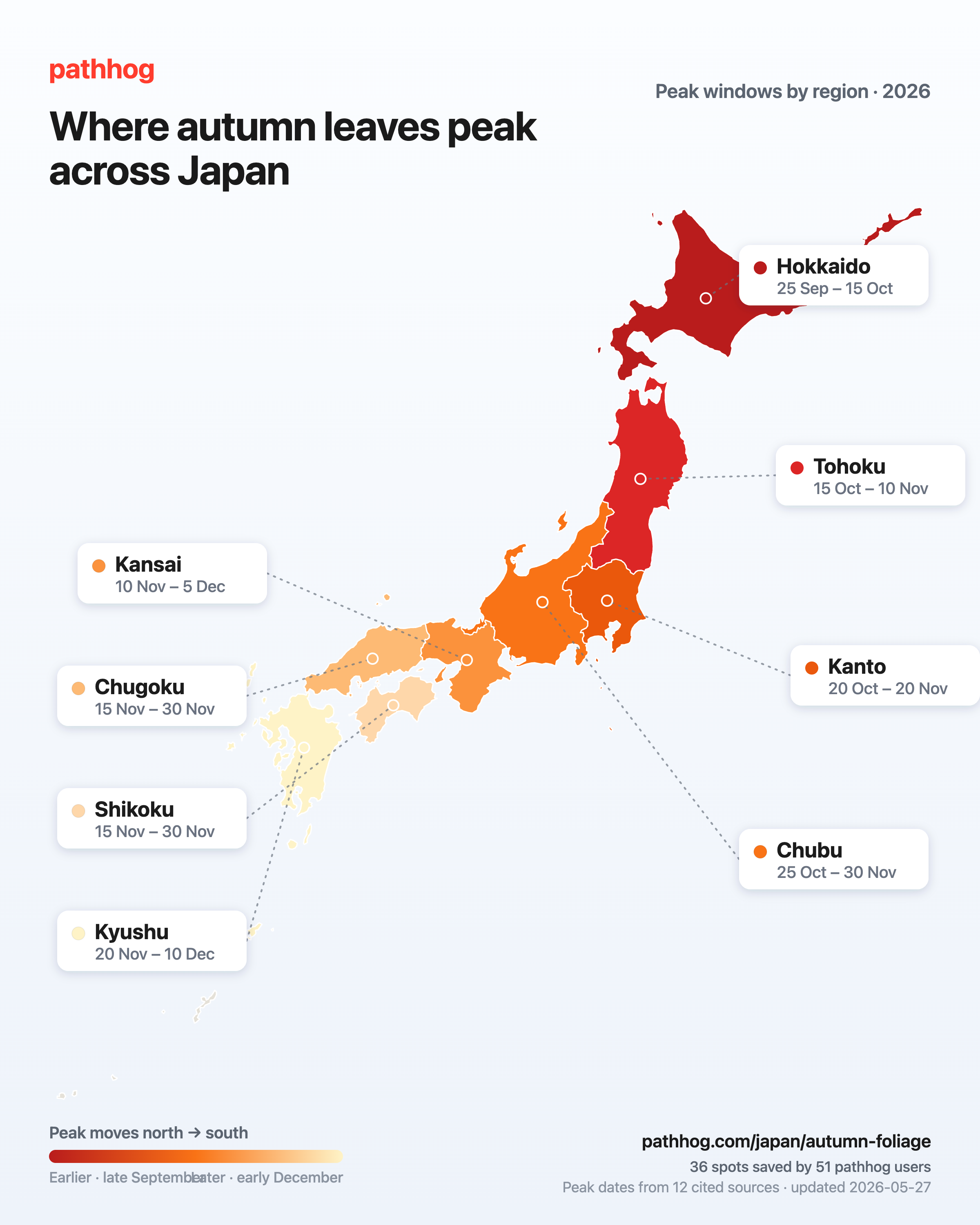
| Region | Cities | Spots | Peak start | Peak end |
|---|---|---|---|---|
| Hokkaido | Shari, Sapporo, Higashikawa, +4 | 7 | 15 Sep | 25 Oct |
| Tohoku | Obanazawa, Sendai, Shiwa, +4 | 7 | 15 Oct | 15 Nov |
| Kanto | Nikko, 日光, 鹿沼, +8 | 19 | 5 Oct | 10 Dec |
| Chubu | 立山町, Otari, 上松町, +11 | 18 | 1 Oct | 5 Dec |
| Kansai | 京都, Kyoto, Kameoka, +3 | 15 | 5 Nov | 5 Dec |
| Shikoku | Matsuyama | 1 | 15 Nov | 30 Nov |
| Kyushu | Fukuoka, Kagoshima, Saga | 3 | 20 Nov | 10 Dec |
How to plan your trip:
- Pick a week, not a place. Peak slides about six weeks across the country. Lock your dates first, then match the region.
- Use the table above to find which region peaks in your window. Hokkaido for early October, Tohoku and Japan Alps for mid-to-late October, Nikko for early November, Mt Fuji area for mid-November, Kyoto and Tokyo for late November into early December.
- Pick 2 or 3 spots within one region from the sections below rather than racing across the country. Koyo punishes movement; the leaves were better yesterday wherever you came from.

Kyoto’s eastern temple walk: peak November red
The four-temple corridor that anchors every serious koyo trip. Tofuku-ji’s Tsutenkyo bridge is the cover shot, Eikando is the night illumination, Nanzen-ji is the gate-and-aqueduct framing, Ginkaku-ji + Philosopher’s Path is the walk. All peak the last week of November into early December. Stay near Higashiyama and do this on foot.
Tofuku-ji Temple

The single most-photographed koyo scene in Japan: the Tsutenkyo bridge over a sea of red maples at the bottom of a temple valley. Around 2,000 maple trees. Peak 20 November to 5 December. The bridge is photo-only (no tripods) and crowded by mid-morning; arrive at opening (8:30am) or late afternoon. 10 minutes by JR from Kyoto Station.
Eikando Zenrin-ji


About 3,000 maple trees carpet the temple grounds and reflect off the pond. The autumn night illumination runs early-to-late November with separate ticketing from daytime entry. Peak is the last week of November. Pair with Nanzen-ji directly south for the half-day east-walk.
Nanzen-ji

The Sanmon gate framed by autumn maples is the standard composition; the Suirokaku aqueduct with red leaves behind is the photographer’s pick. Free temple grounds (you pay only for the gate climb and sub-temples). Quieter than Eikando in the late afternoon, and 10 minutes’ walk from there.
Ginkaku-ji

The Silver Pavilion with maples on the hillside walk behind. Pair with Philosopher’s Path (1.5km canal-side walk to Nanzen-ji) for the full east-Kyoto morning loop. Peak 20 November to 5 December. Open from 8:30am.
If you want the Mt Fuji + autumn shot
Three spots on the Yamanashi side. Chureito Pagoda is the iconic composition; Momiji Corridor is the maple tunnel beside Lake Kawaguchi; Yamanakako Panorama-dai is the higher viewpoint. Peak early-to-mid November, slightly ahead of Kyoto.
Chureito Pagoda

The five-storied pagoda framed by Mt Fuji and autumn maples is the Japan tourism poster, photographed from the 398-step climb up Arakurayama Sengen Park. Peak 5 November to 20 November. Go at sunrise to beat the queue; the steps fill from 7am on November weekends.
Momiji Corridor at Lake Kawaguchi

A 150-metre tunnel of maple trees along the Nashigawa River where it feeds into Lake Kawaguchi. Peak 15–30 November, with night illumination during the Fujikawaguchiko Momiji Festival in mid-November. Combine with Oishi Park for the lakeside autumn walk.
Yamanakako Panorama-dai

The viewpoint above Lake Yamanaka with a clear Mt Fuji backdrop framed by red and gold leaves. Peak 1–20 November. The hike up is about 45 minutes from the trailhead; the parking lot fills by 9am on November weekends. Less crowded than Chureito Pagoda.
If you’re Tokyo-based
Tokyo proper hits peak last, around 20 November to 5 December, but Nikko (next section) is 2 hours by train and peaks earlier. Pair one in-city walk with one day trip.
Shinjuku Gyoen
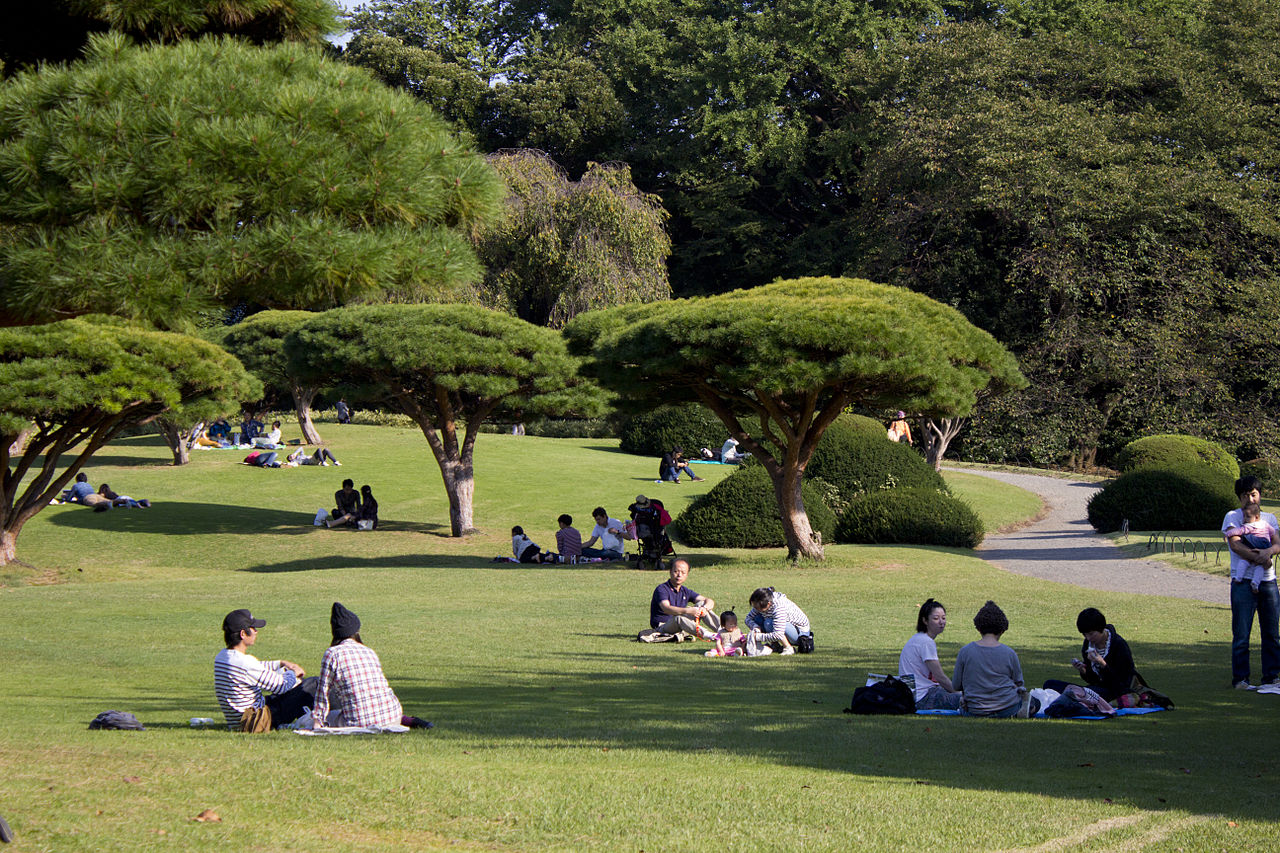
The 3,000-tree Japanese garden at the heart of Tokyo, with maples around the pond and ginkgo near the entrance. Peak 20 November to 5 December. Best autumn experience inside the JR loop. Closed Mondays; arrive before 11am to skip the lunch-hour rush.
Meiji Jingu Gaien

The 300-metre ginkgo avenue with 146 trees turning bright yellow in late November. The annual Jingu Gaien Icho Matsuri runs mid-November to early December with food stalls. Peak 20 November to 5 December. Closest station: Aoyama-itchome on the Ginza line.
Rikugien Garden

The Edo-period circuit garden in Bunkyo, with autumn night illumination in late November. The reflection of illuminated maples in the central pond is the night shot; weekday evenings stay manageable, weekends are tight. Peak 20 November to 10 December.
Mt Takao

The day-hike option, 50 minutes by train from Shinjuku. Cable car up, easy walk along Momijidai through red maples, hot-spring stop at the summit. Peak 15–30 November. Crowded on weekends; go on a Tuesday or Wednesday.
Hatonosu Valley

The closest real-wilderness koyo walk from central Tokyo. The suspension bridge over the Tama River with maples on both banks, peaks 1–20 November. JR Ōme Line from Shinjuku, about 90 minutes. Extend the walk to Okutama Town if you want a full day.
The Nikko cluster
The single best autumn day-trip from Tokyo. Peak window is mid-October to early November for the high spots and late October to mid-November for the temple complex. The whole cluster fits in one long day if you start early, or two days if you stay over.
Irohazaka

The two-way mountain road into Nikko with 48 hairpin turns named after the Japanese alphabet. Peak 15 October to 5 November, three to four weeks ahead of Kyoto. Drive yourself or take the bus from Nikko Station; the leaves turn first on the upper switchbacks. The Akechidaira ropeway midway up is the standard viewpoint.
Akechidaira Observation Deck

The ropeway-top viewpoint with Kegon Falls in the foreground and Lake Chuzenji behind, framed by autumn forest. Peak 15 October to 5 November. The ropeway is one-stop, 3 minutes. Combine with the next two spots for the upper-Nikko half day.
Lake Chuzenji

The lake reflection with autumn-coloured mountains behind is the headline shot. Hacchodejima peninsula is the photographer’s pick. Peak 15 October to 5 November. Walkable from the Akechidaira ropeway base.
Kegon Falls

The 97-metre waterfall dropping from Lake Chuzenji into the gorge below. The observation deck at the base is paid (¥570) and worth it. Peak 15 October to 5 November. Pair with Yudaki Falls (next) for the two-waterfall morning.
Yudaki Falls

A 70-metre cascade in a maple amphitheatre upstream from Lake Yunoko. Walkable from the lake and a short drive from Nikko Yumoto Onsen. Peak 15 October to 5 November. Best paired with a hot-spring overnight at Yumoto for the post-walk soak.
Tohoku: the heartland of October koyo
The northeast peaks mid-to-late October, three to four weeks ahead of Kansai. Smaller crowds, longer-lasting colour, and the onsen culture is built around the season.
Oirase Gorge

The 14-km mountain stream between Lake Towada and the coast, lined with maples, ferns, and waterfalls. The walking trail follows the stream and you can do it section by section. Peak 15 October to 5 November. Bus from Hachinohe Station; renting a bicycle at Yakeyama gets you the best mileage.
Naruko Gorge

The Otani Bridge view over the autumn-coloured gorge is the headline composition. Naruko Onsen sits at the gorge’s edge for the onsen-and-koyo pairing. Peak 20 October to 5 November. 90 minutes by JR from Sendai.
Ginzan Onsen

The most-photographed onsen town in Tohoku, with wooden Taisho-era ryokan along the river, gas lamps after dark, and autumn forest behind. Peak 20 October to early November. Two-hour bus from Yamagata Station; book the ryokan months ahead for peak weekends.
Hokkaido and alpine: the earliest peaks
The country’s first autumn arrives in Hokkaido’s high mountains in mid-to-late September. The Japan Alps follow in early-to-mid October. Useful if your trip is pinned early.
Daisetsuzan / Asahidake
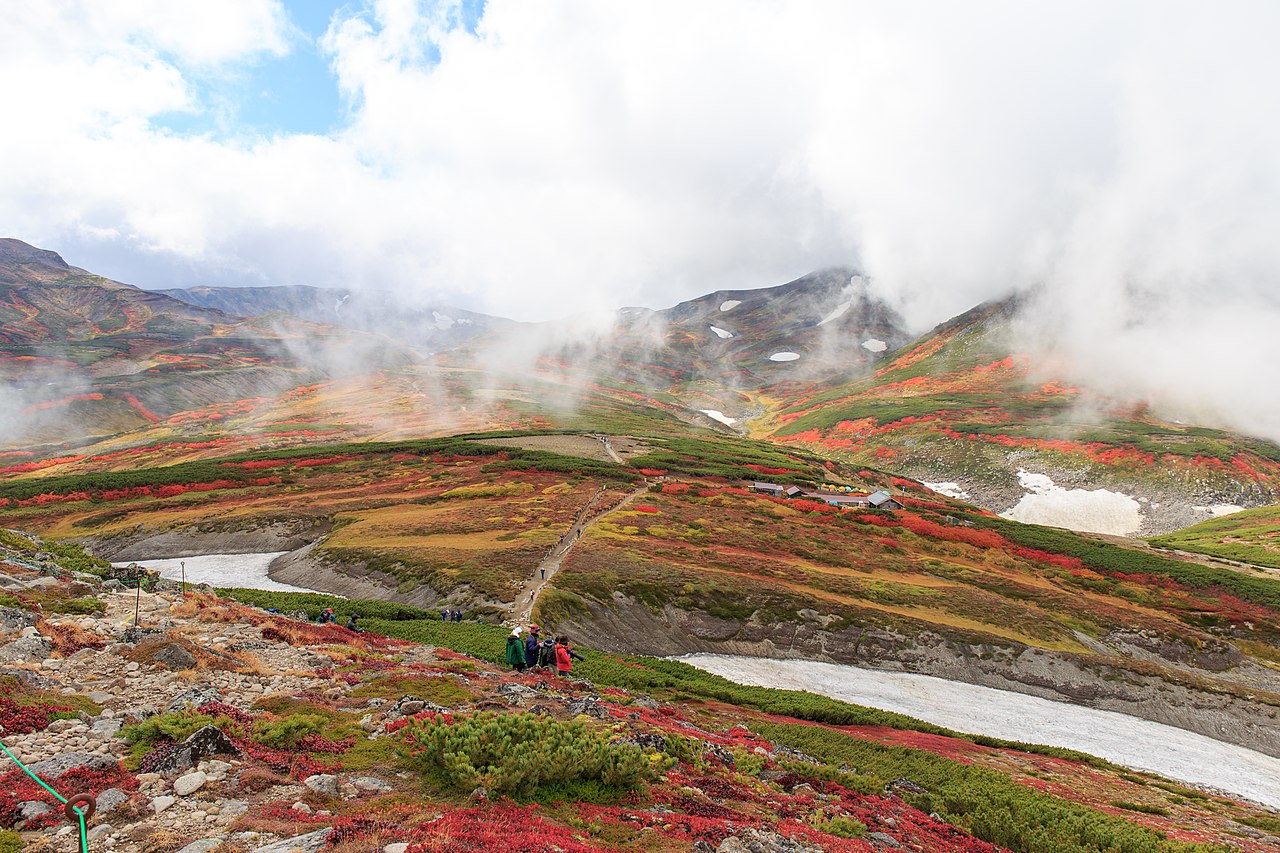
Japan’s earliest serious koyo. The Asahidake Ropeway runs from the foot of Hokkaido’s highest mountain to Sugatami Pond at 1,600m, peak window 15 September to 5 October. Cold air, alpine shrubs in red, snow-capped peaks above. Fly into Asahikawa, 90 minutes by bus from the airport.
Tateyama Kurobe Alpine Route

The 90-km crossing of the Northern Japan Alps via cable car, trolleybus, and ropeway. Peak 1–25 October in the high sections (Murodo, Kurobedaira). Each transfer puts you at a different elevation band of colour. The Kurobe Dam is the photo. Reservation strongly recommended for October weekends.
Hakuba Tsugaike Mountain Resort

Different mountain to Mt Fuji but the same alpine-autumn composition. The Tsugaike ropeway runs to Tsugaike Nature Park at 1,900m, peak early October, three weeks ahead of Kyoto. Pair with Hakuba village for the onsen overnight.
Late-November closers in the southwest
The last act of the calendar. Korankei in Aichi is the latest classic peak. Mount Koya in Wakayama is the temple-stay version. Miyajima’s Momijidani in Hiroshima is the named maple valley behind the famous floating torii. All peak mid-to-late November.
Korankei Gorge

About 4,000 maple trees filling the gorge around Taigetsukyo bridge. Peak 15 November to 5 December, with night illumination running through the same window. The closing act of the Japan koyo calendar. 1 hour by car from Nagoya, or bus from Toyota City Station.
Mount Koya (Koyasan)

The temple-stay version of autumn. Maples line the Jabaramichi path at Danjogaran, the temple complex sits at 800m elevation, and you stay overnight at a shukubo (temple lodging). Peak 5–25 November. 90 minutes by train from Osaka. Vegan shojin-ryori dinners come with the stay.
Momijidani Park (Miyajima)

The literally-named “maple valley park” behind Itsukushima Shrine. About 200 maple trees in a compact valley with the Momiji bridge as the centrepiece. Peak 10–30 November. Walkable from the ferry terminal in 25 minutes. Pair with the Mount Misen ropeway for the panoramic view.
Photographer’s-only picks
Three spots with a specific shot you can’t get anywhere else. Rurikoin is the lacquered-table reflection. Eizan Railway is the maple-tunnel train ride. Daigo-ji is the wider, quieter Kyoto alternative.
Rurikoin Temple

The temple is open to the public only in autumn and spring, and the shot is the lacquered table on the second floor reflecting the maple forest outside. Peak 15 November to 5 December. Reservation required and tickets sell out in advance; check the temple’s official site mid-October.
Eizan Electric Railway Momiji Tunnels

The mountain railway from Demachiyanagi to Kurama runs through two 250-metre tunnels of maple trees, illuminated at night during the season. Sit on the right side going up. Peak 10–30 November. Combine with Kurama-dera at the line’s end for the temple + train day.
Daigo-ji

UNESCO temple complex with the Bentendo pavilion reflected in the pond as the iconic shot. Significantly less crowded than central east Kyoto despite the same peak window (15 November to 5 December). 30 minutes by subway + walk from central Kyoto.
Map
All spots on the map, filterable by region. Tap a pin to jump to the write-up above. Items outside Japan and venues unrelated to koyo on the source board are excluded from this view.
- Tofuku-ji Temple紅葉に包まれる境内と美しい庭園が見どころの、1236年創建の仏教寺院です。
- Eikando Zenrin-jiA Zen temple in Kyoto famous for its autumn foliage and ancient art, including a notable Buddha statue.
@triptojapan_
- Nanzen-jiA large Zen Buddhist temple complex with a famous gate, a Zen garden, and forested walking paths in Kyoto.
- Ginkaku-jiGinkaku-ji is a Zen temple with beautiful moss gardens and a dry sand garden shaped like Mount Fuji.
 Philosopher's Path桜並木に囲まれた静かな運河沿いの散策路で、春には花見の名所として多くの人が訪れる場所です。
 ArashiyamaUn distrito en Kyoto con cerezos en flor, bosques de bambú y vistas tranquilas junto al río.
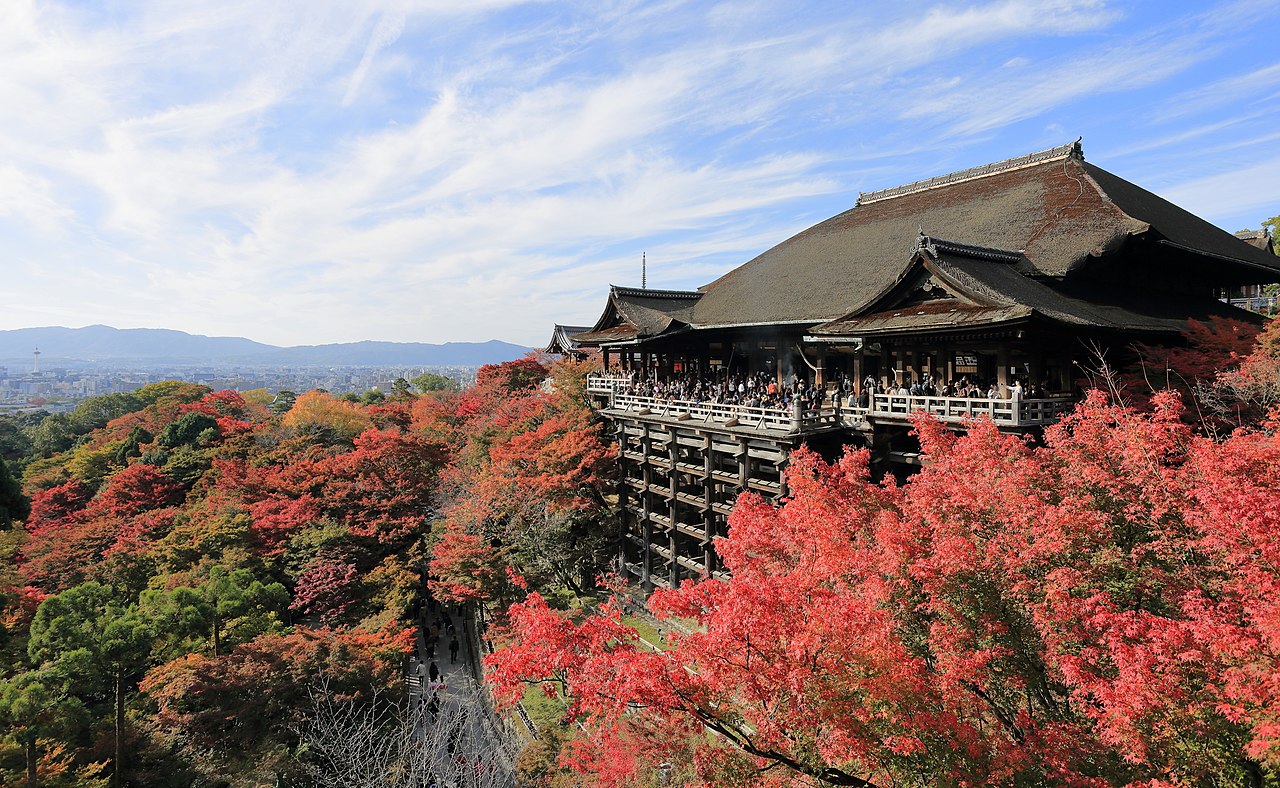 Kiyomizudera TempleA historic Buddhist temple in Kyoto with a wooden stage overlooking colorful autumn hills.
 Mount KuramaA mountain with temples and shrines, known as the birthplace of reiki, in Kyoto's Kurama area.
 Hozugawa River Boat RideA scenic boat ride along the Hozugawa River in Kameoka, Japan, with views of autumn foliage and floating food boats serving local snacks.
- Rurikoin Temple紅葉で有名な落ち着いた寺院で、池や庭園を楽しめる場所です。
- Eizan Electric Railway Momiji no Tunnels約250mの区間にイロハモミジやオオモミジが約280本並び、秋には紅葉が車窓いっぱいに広がるトンネルです。
- Daigo-jiA Zen temple complex in Kyoto with beautiful gardens, a pond, and a five-story pagoda.
 Eigenji Temple紅葉の名所で、池や伝統的な建物が点在する静かな寺院です。
 Nara CityExplore Izumo Taisha shrine and ferry to Oki Islands in Shimane.
- Mount Koya (Koyasan)The head temple of Shingon Buddhism on Mount Koya, featuring Japan's largest rock garden.
 Minoh FallsWander through Minoh Park, a scenic forest sanctuary featuring a breathtaking waterfall and vibrant fall foliage, ideal for riverside walks.
- Chureito Pagoda山の上にある五重塔からは富士山と桜の景色が楽しめる、静かで美しい公園です。
 Arakurayama Sengen ParkA park with a red pagoda and views of Mount Fuji, surrounded by trees with colorful autumn leaves.
- Momiji CorridorA scenic pathway lined with colorful maple trees that creates a tunnel of leaves during autumn near Lake Kawaguchi.
 Lake KawaguchiThe second largest of the Fuji Five Lakes, ringed by cherry blossoms in spring and offering boat tours.
 Oishi Park富士山を眺めながらラベンダー畑や子供の遊び場が楽しめる公園です。
 Momiji TunnelA scenic lakeside path lined with red maple trees, offering views of Mount Fuji across Kawaguchiko Lake in Japan.
 Saiko Iyashi no Sato NenbaA reconstructed traditional Japanese village with thatched-roof houses, surrounded by autumn foliage and Mount Fuji in the background.
- Shinjuku Gyoen Cherry Tree AreaDiscover a dedicated area within this vast park, showcasing a beautiful collection of cherry trees.
- Meiji Jingu GaienThis large Shinjuku park features an ice rink, baseball diamonds, and the historic Meiji Jingu Shrine.
- Rikugien GardenA traditional Japanese garden with autumn displays, teahouses, and a central pond in Tokyo.
- Mount Takao599-meter-tall mountain peak with hiking trails, a funicular railway, and a Buddhist temple in Hachioji, Japan.
- Hatonosu Valley奥多摩の氷川渓谷は、秋になると赤やオレンジの紅葉に囲まれた静かな川と岩の岸辺が美しい場所です。
 Okutama TownA mountain range with scenic trails and views of Mount Fuji, including Tokyo's highest peak in Okutama.
- IrohazakaA winding road descending from Nikko, offering scenic views of forests with green, orange, and red leaves.
- Akechidaira Observation Deck華厳の滝や中禅寺湖が見渡せる展望台から、秋の紅葉と青い湖の絶景を楽しめるスポットです。
- Lake ChuzenjiA tranquil mountain lake in Nikko with vibrant fall colors, discovered in 782, popular for hiking and boating.
- Kegon FallsWitness the breathtaking 97-meter plunge of Kegon Falls in Nikko, Japan; enjoy a free top view or descend via an elevator for a closer lo…
 Ryuzu WaterfallA picturesque waterfall with cascading streams and autumn foliage, reachable by short hike in Nikko.
 Senjogahara MarshlandA wetland area in Nikko with seasonal flora and fall displays, offering easy hiking trails.
 Nikko Toshogu ShrineDrive along scenic roads and explore historic sites in Hagi, Yamaguchi.
 Furumine Shrine深い森に囲まれた山間にある神社で、木の彫刻や石の神像が見られる静かな場所です。
 Nasu Flower WorldA large flower park with colorful fields of roses, cockscombs, and other blooms, especially stunning in autumn with mountain views.
 Tanigawadake RopewayA scenic ropeway ride up Minakami's wooded slopes offering views of autumn foliage and access to hiking trails.
- Oirase Gorge奥入瀬川沿いの渓流で、秋になると鮮やかな紅葉と流れる水音が楽しめる場所だよ。
- Naruko Gorge深さ100メートルの大峡谷で、秋には赤や黄色の紅葉が見事に染まる絶景スポットです。
- Ginzan OnsenTraditional wooden inns with snow-covered roofs line the river in this hot spring town, glowing gas lamps create a magical atmosphere at …
 Yamadera (Risshaku-ji)A mountain temple complex with panoramic views over forests and valleys, reached by hundreds of stone steps.
- Daisetsuzan Asahidake RopewayScenic cable car ride up to the summit of Mt. Asahidake, Japan's highest mountain, with views of volcanic landscapes and autumn foliage.
 Daisetsuzan National ParkA vast mountain park with 16 peaks, alpine plants, wildlife, and colorful autumn scenery in central Hokkaido.
 Sounkyo OnsenA scenic onsen region with dramatic gorges and autumn foliage, featuring a simple hotel with hot spring baths in Kamikawa.
 Noboribetsu OnsenA hot springs hotel in Noboribetsu with volcanic landscapes, multiple restaurants, and a bathhouse.
 Lake AkanA crater lake surrounded by colorful forests and Ainu culture in Kushiro, within Lake Akan area.
 Shiretoko PeninsulaA remote peninsula in Shari with pristine nature and colorful fall leaves, part of a UNESCO World Heritage Site.
 Sapporo CityOdori Park is a large urban park in Sapporo, Japan, famous for its seasonal fall colors starting mid-November.
- Tateyama Kurobe Alpine RouteExplore Alpine Route with snow corridor walls and enjoy Toyama Bay seafood in Tateyama.
- Hakuba Tsugaike Mountain ResortA family-friendly ski resort with trails for all levels and gondola rides, set in Nagano's scenic mountains.
 Akasawa Natural Recreation Forest小型トロッコに乗って森林の中を巡れる静かな国有林公園で、秋の紅葉がとてもきれいです。
 Narai-jukuA preserved Edo-period post town with wooden houses and scenic hillside in Nagano.
 Magome-jukuA historic post town with traditional architecture and mountain views along the Nakasendo trail.
 Hida TakayamaWalk through an open-air museum of Edo-period farmhouses with traditional thatched roofs.
 Shirakawa-goTraditional thatched-roof farmhouses called gassho-zukuri line this remote mountain village in Gifu Prefecture.
 Matsumoto Castle16th-century castle with black walls and exhibits of historical weapons, framed by fiery maple leaves in fall.
 Kenroku-en GardenKenroku-en is a traditional Japanese garden featuring a pond, moss-covered rocks, and wooden structures, celebrated as one of Japan's thr…
- Korankei GorgeKorankei Gorge features rows of colorful maple trees lining a calm river, especially stunning during autumn foliage season.
 Hiroshima City Forest ParkHiroshima City Forest Park is a large park in Hiroshima, Japan, with autumn colors peaking in late November.
- Momijidani Park紅葉谷公園は、真っ赤に染まったモミジの木々が並ぶ静かな公園で、散策しながら秋の美しさを楽しめる場所です。
 Tōdogo Onsen Kume no YuBat in Dogo Onsen and visit Matsuyama Castle in Ehime.
 Fukuoka CityKochi Visitors & Convention Association is an organization in Kochi, Japan, with early December autumn scenery in the region.
 Kagoshima Prefecture Nature Conservation AssociationSeoraksan is a mountain in South Korea, famous for its late September to October peak foliage.
 SagaRelax in Ureshino onsens and visit Karatsu pottery in Saga.
 Sendai CitySendai is a city in Tohoku, Japan, where late November fall colors can be seen across its parks and streets.
 Iwate PrefectureExplore coastal ravines and visit Buddhist temples in Hiraizumi, Iwate.
 Fukushima PrefectureHike volcanic landscapes of Mt. Bandai and explore Ouchijuku post town in Fukushima.
Bloom-date sources (65)
- Japan-Guide — Tofukuji
- Japan-Guide — Eikando
- Japan-Guide — Nanzenji
- Japan-Guide — Ginkakuji
- Japan-Guide — Philosopher's Walk
- Japan-Guide — Arashiyama Autumn
- Japan-Guide — Kiyomizudera
- Japan-Guide — Kurama
- Hozugawa Boat — Autumn
- Rurikoin Special Autumn Opening
- Eizan Electric Railway
- Japan-Guide — Daigoji
- Shiga Tourism — Eigenji
- JNTO — Nara
- Japan-Guide — Koyasan
- Japan-Guide — Minoh Park
- Fujisan Yamanashi Tourism
- Fujiyoshida Tourism
- Fujikawaguchiko Tourism
- Saiko Iyashi no Sato Nenba
- GoTokyo — Shinjuku Gyoen
- GoTokyo — Meiji Jingu Gaien Ginkgo Festival
- GoTokyo — Rikugien Autumn Illumination
- Mt Takao Tourism
- Okutama Tourism — Autumn
- Japan-Guide — Nikko Autumn
- Tochigi Tourism
- Japan-Guide — Lake Chuzenji
- Japan-Guide — Kegon Falls
- Nikko Travel — Yudaki Falls
- Nikko Travel — Ryuzu Falls
- Nikko Travel — Senjogahara
- Japan-Guide — Nikko Toshogu
- Nasu Flower World
- Tanigawadake Ropeway — Autumn
- Japan-Guide — Oirase Stream
- Japan-Guide — Naruko
- Japan-Guide — Ginzan Onsen
- Japan-Guide — Yamadera
- Asahidake Ropeway
- JNTO — Daisetsuzan
- Sounkyo Tourism
- Japan-Guide — Noboribetsu
- Japan-Guide — Lake Akan
- JNTO — Shiretoko in Autumn
- Japan-Guide — Sapporo Autumn Colors
- Tateyama Kurobe Alpine Route
- Hakuba Tsugaike
- JNTO — Akasawa Forest
- Japan-Guide — Narai-juku
- Japan-Guide — Magome
- Japan-Guide — Takayama
- Japan-Guide — Shirakawa-go
- Japan-Guide — Matsumoto Castle
- Kenrokuen Official
- Toyota City Tourism — Korankei
- Hiroshima Forest Park
- Miyajima Tourism — Momijidani
- Matsuyama Tourism
- JNTO — Fukuoka Autumn
- Kagoshima Travel
- Saga Tourism
- JNTO — Sendai Autumn Colors
- Iwate Official Travel Guide
- Fukushima Travel Guide
FAQ
When does autumn foliage actually peak in Japan?
Peak runs north to south between late September and early December. Hokkaido’s high elevations (Daisetsuzan, Asahidake) peak first, around 15 September to 5 October. Tohoku and the Japan Alps follow in mid-to-late October. Nikko and Tokyo’s outer parks turn in early November. Mt Fuji area peaks early-to-mid November. Kyoto’s iconic temples hit peak 20 November to 5 December. Kyushu trails into early December. JMC publishes a forecast in mid-August and updates biweekly.
Where can I see autumn leaves in early October?
Hokkaido primarily. Daisetsuzan / Asahidake is the earliest serious koyo in the country, around 15 September to 5 October. The Shiretoko Peninsula follows by a week. Sounkyo Onsen and Lake Akan in central Hokkaido are early-October peak. The Tateyama Kurobe Alpine Route also turns in early October at the high sections, accessible by ropeway. Anywhere in Honshu below 1,500m will still be mostly green that early.
Is a Kyoto detour worth it from a Tokyo-based trip?
For peak koyo, yes. Kyoto’s eastern temple corridor (Tofuku-ji, Eikando, Nanzen-ji, Ginkaku-ji) is the densest concentration of high-quality maple scenes in Japan, and the last week of November is unmistakably the peak window every year. The Shinkansen is 2h15 from Tokyo Station. Trade-off is crowds: peak weekends at Tofuku-ji and Eikando are punishing. Go Tuesday or Wednesday if possible.
How crowded are the famous Kyoto spots in peak week?
Crowded. Tofuku-ji restricts photography on the Tsutenkyo bridge and queues run 30+ minutes from 9am. Eikando issues numbered tickets during peak nights. Kiyomizu-dera can take 45+ minutes to enter on a peak weekend. Arashiyama is shoulder-to-shoulder on Togetsukyo Bridge. Mitigations: arrive at opening (most temples open 6–8am), visit on weekdays, or use Daigo-ji or Mount Kurama as quieter alternatives.
What if a typhoon hits during my dates?
September into early October is tail-end typhoon season; later October and November are usually clear. If a typhoon disrupts your dates, Kyoto and Tokyo run on rail so trains resume within a day; Hokkaido and Tohoku lose more time. Leaves recover unless winds are sustained over 30 m/s, in which case a weekend can lose its peak. Monitor JMC and JR East for real-time advisories.
Can I combine autumn leaves with cherry blossoms?
No. Cherry blossoms peak mid-March to early April; autumn leaves peak late September to early December. They’re seven months apart. Build two trips, or pick the season that matches your dates. The pathhog cherry blossom 2027 board is separate.
More seasonal Japan guides


Save these places on pathhog









- Sources
- JMC (Japan Meteorological Corporation) koyo forecast, JNTO regional autumn guides, Japan-Guide autumn-leaves rundown, per-place tourism bureau pages, creator notes from @japan_web_magazine, @tiffy.cooks, @editorofliu, @triptojapan_, @tasteinhotels
- Peak timing
- Region-level windows from JMC + JNTO; per-place windows from local tourism boards. Refresh due mid-August 2026 when JMC publishes the year's first forecast.
- Updated
- May 2026 · View the live board on pathhog